
Quality, Purity & Authenticity
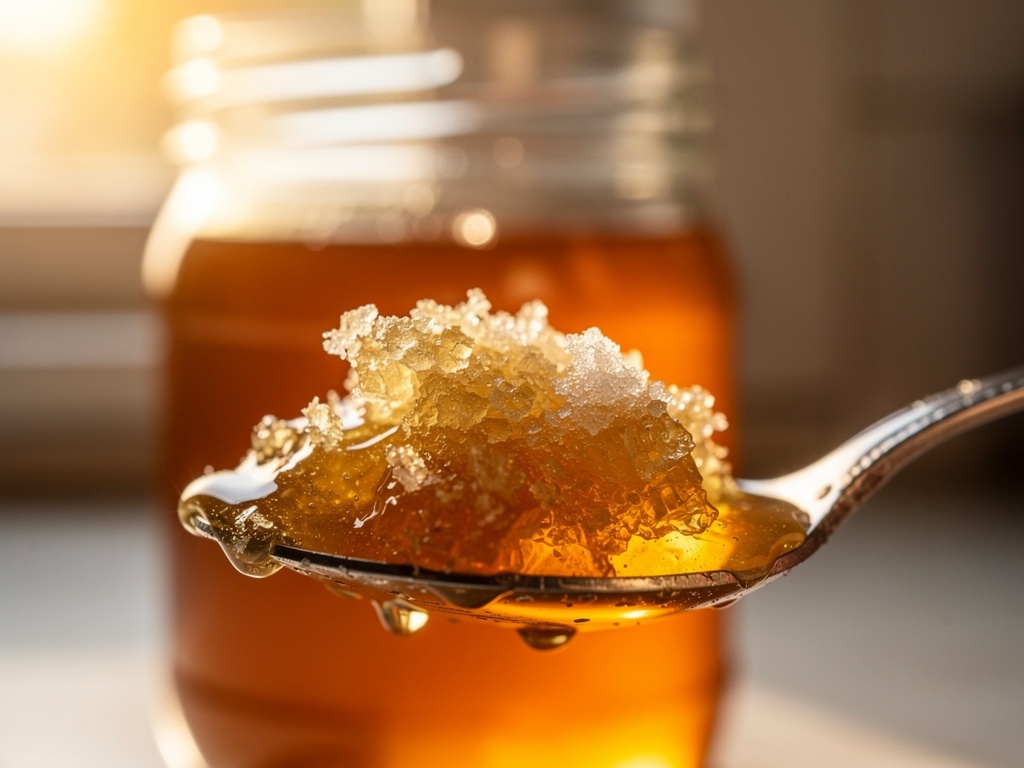
The flagship guide. FSSAI standards, home tests with honest caveats, lab methods like isotopic ratios and NMR, why crystallization is a good sign, and how adulteration actually works.
From the wild rock bees of the Sundarbans to the litchi orchards of Bihar, honey in India is a story of species, science, heritage and trust. This is your honest, non-sales guide to understanding it — what's real, what's pure, and how to tell the difference.
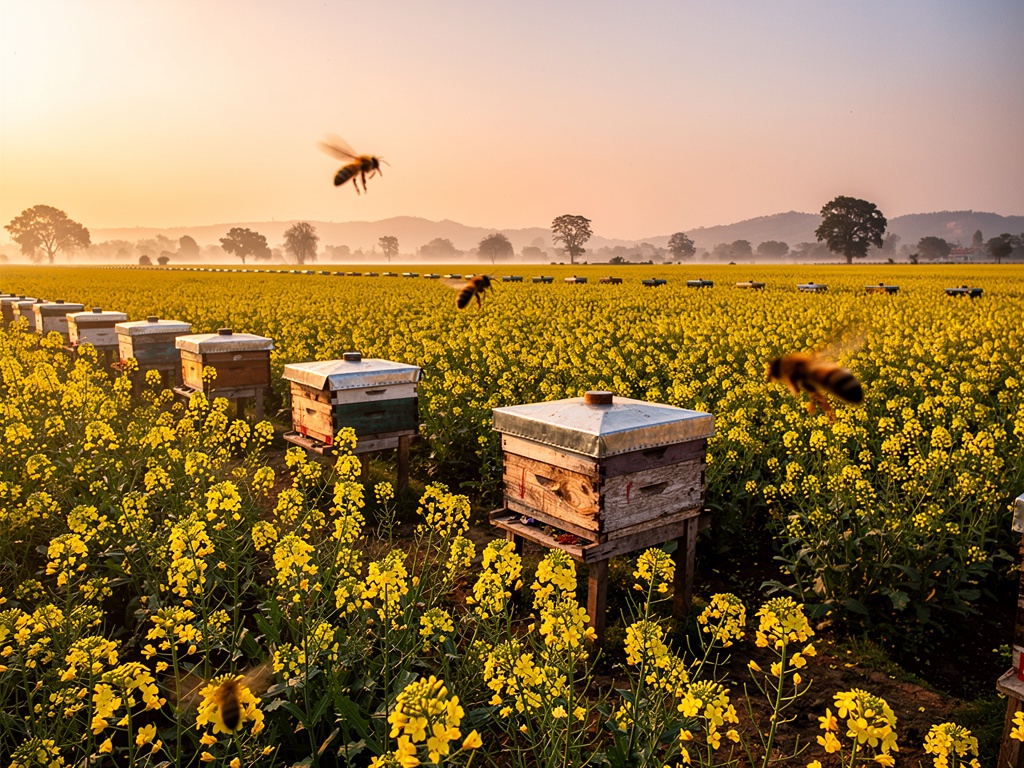
We've organised everything into clear, deeply-linked guides. Pick a doorway — most readers start with quality, then branch into varieties and heritage.
The flagship guide. FSSAI standards, home tests with honest caveats, lab methods like isotopic ratios and NMR, why crystallization is a good sign, and how adulteration actually works.
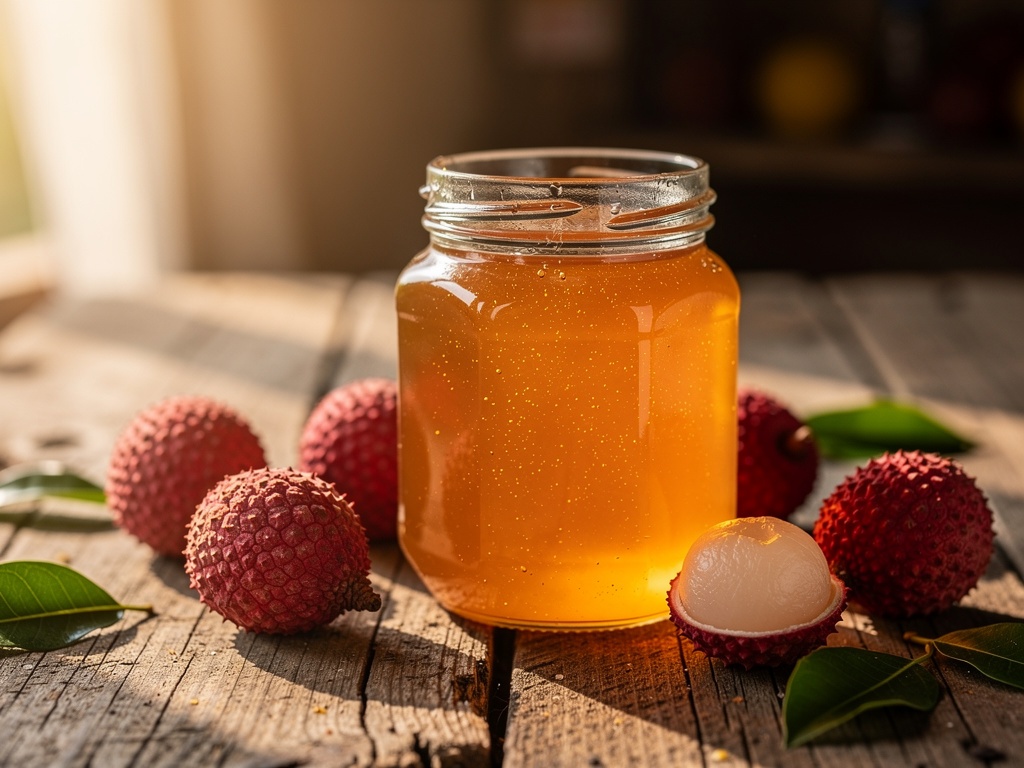
Monofloral vs multiflora, wild vs managed. Deep dives on litchi, mustard, acacia, ajwain, tulsi, sidr, Himalayan multiflora and Western Ghats forest honeys — with colour, flavour and crystallization notes.
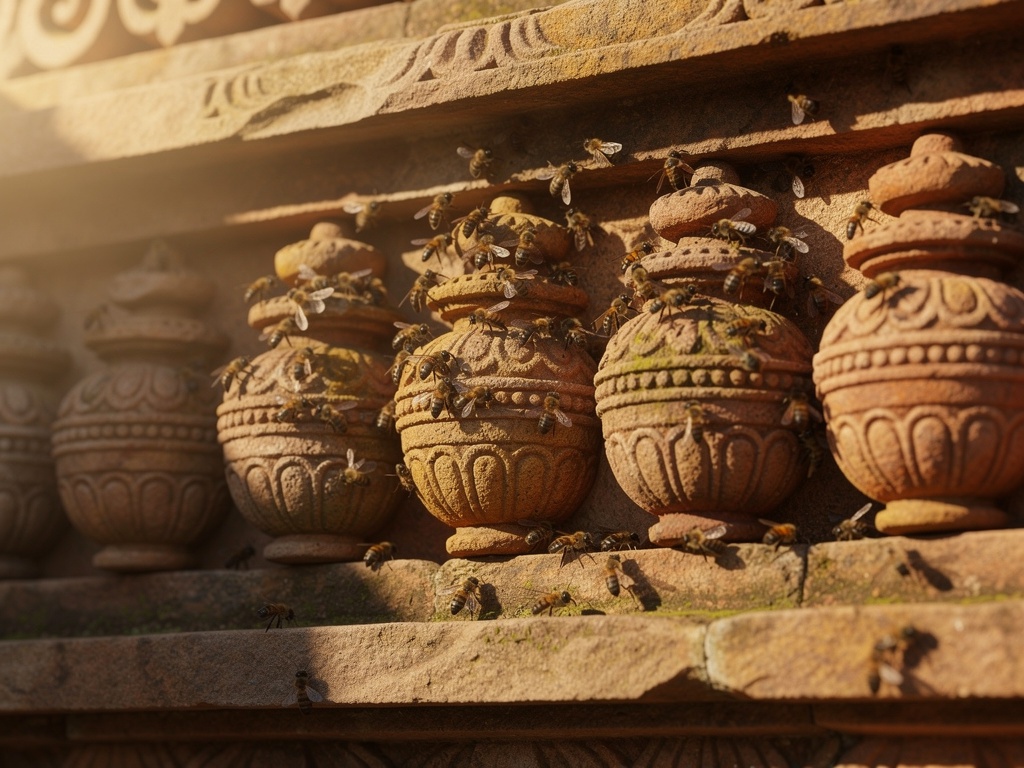
From the Rigveda's references to honey to Gurung-style cliff hunting, Mouli collectors of the Sundarbans, and the modern "Sweet Revolution". A 3,000-year journey in one page.
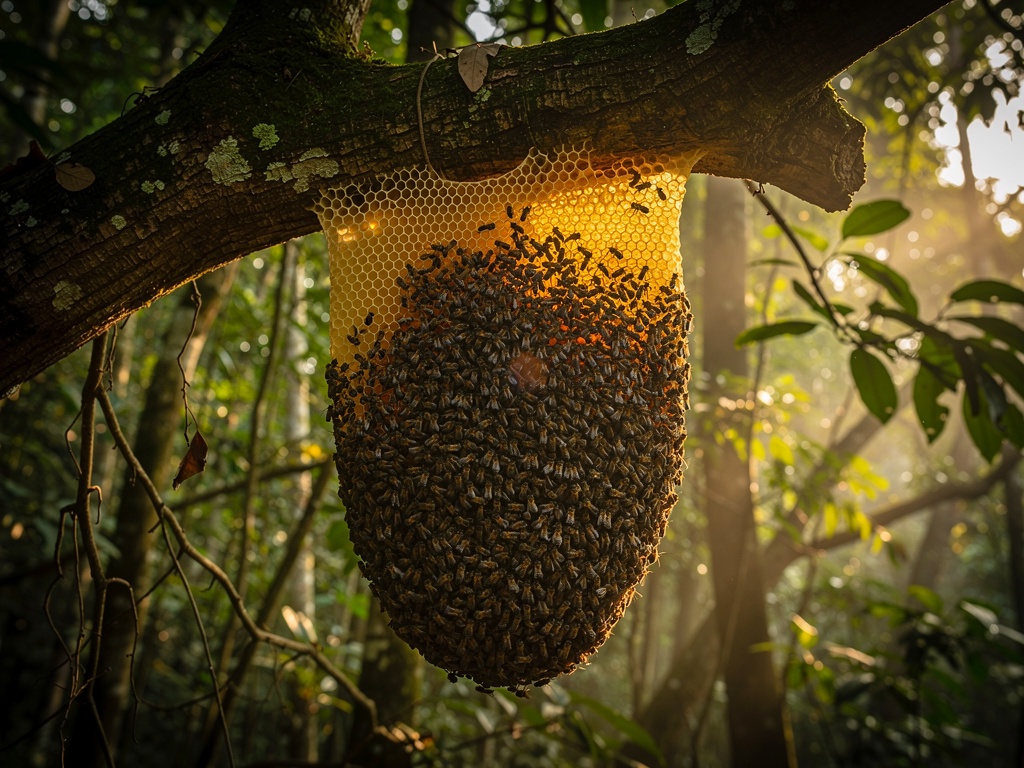
Meet the cast: the native Apis cerana indica, the giant rock bee Apis dorsata, dwarf Apis florea, stingless bees, and introduced Apis mellifera — compared by yield, temperament and habitat.
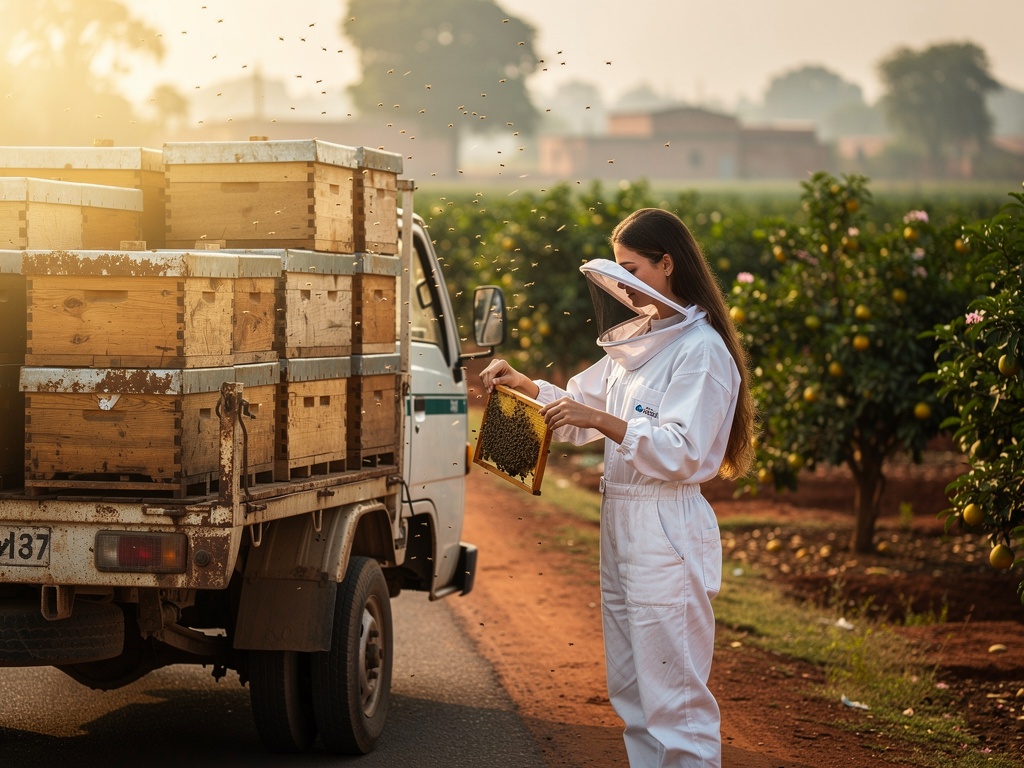
How honey gets from flower to jar: migratory beekeeping, extraction, the National Beekeeping & Honey Mission, and the enormous pollination value that dwarfs honey revenue.
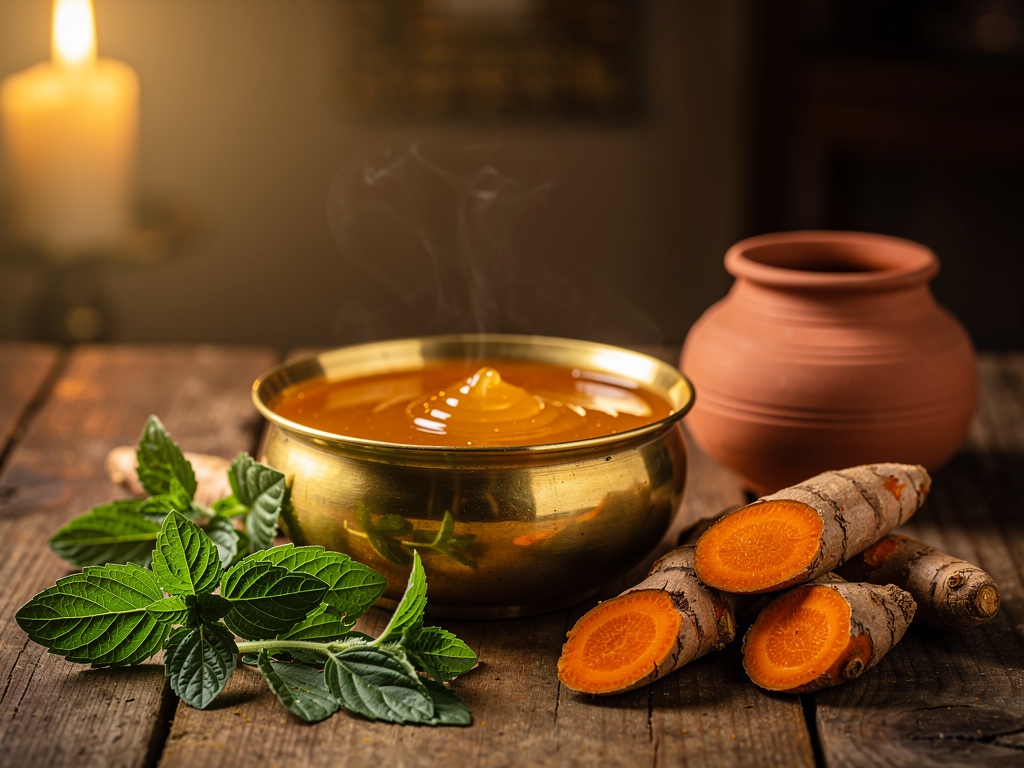
What the science actually says about honey's antioxidants and antimicrobial potential, traditional Madhu in Ayurveda, infant restrictions, and rare risks like grayanotoxin "mad honey".
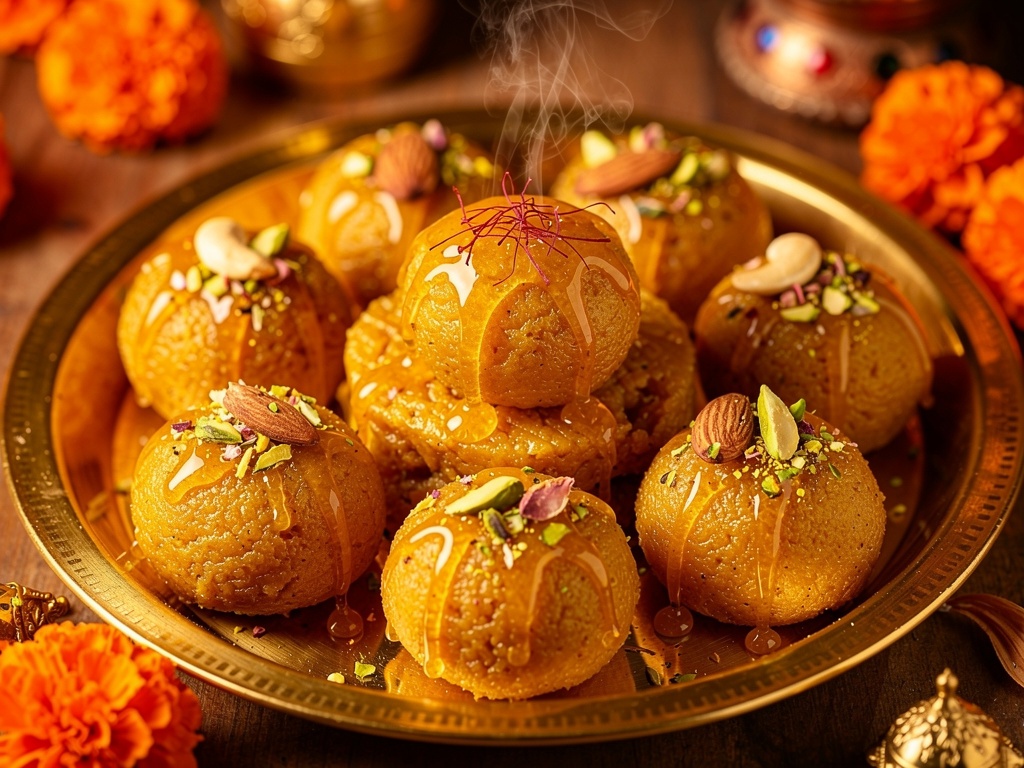
Honey in Indian kitchens and rituals — from Madhu-parka and temple offerings to pairing honey with curd, warm drinks and festive sweets. Plus storage and cooking guidance.

Wild harvest carries real risk — terrain, tigers in the Sundarbans. How tribal collectors, small beekeepers and fair pricing fit together, and what "raw" really means.
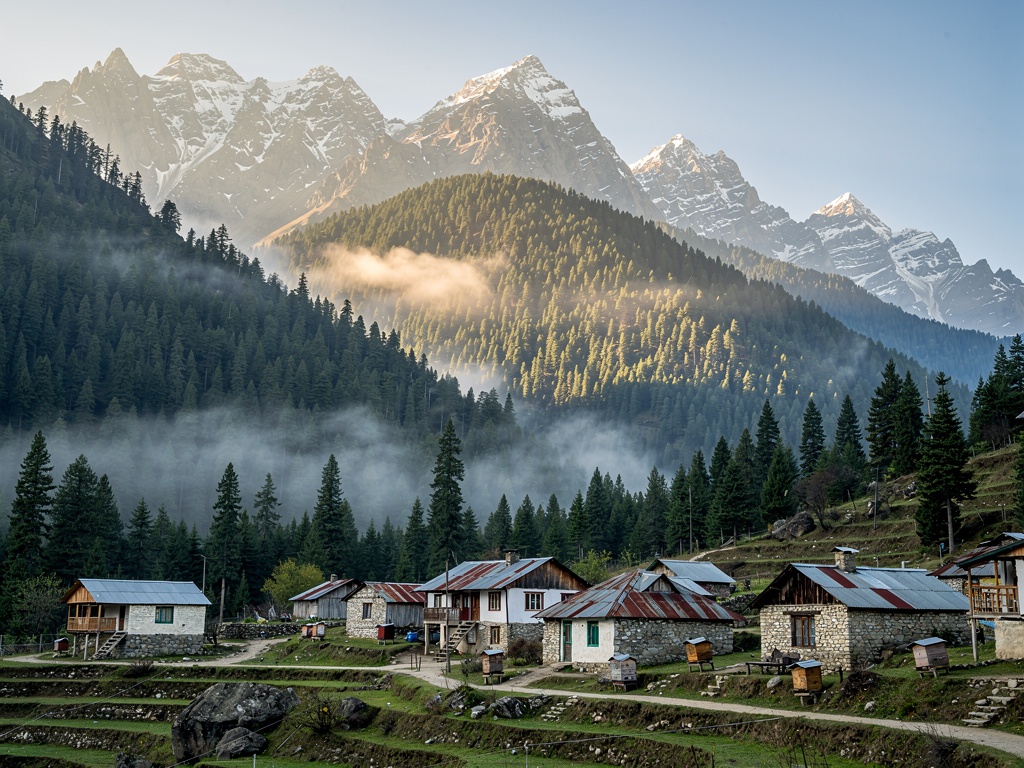
Ramban Sulai, Sundarban Mouban, Marthandam and more — the geographic-indication story of Indian honey, with provenance, seasonality and sensory profiles.
A transparent framework for choosing honey: what to look for on the label, what questions to ask sellers, price sanity checks, and how to store what you buy.
HMF, C4 sugars, AFGP, monofloral, raw honey, crystallization — a plain-language dictionary of every term you'll meet on this site and on honey labels.
Official links to FSSAI, the National Bee Board, the GI Registry, APEDA and peer-reviewed sources — plus our FAQ for quick answers.
India isn't just another honey producer — it's a living museum of bee species, ancient practice and modern policy.
Which statement about honey crystallization is true?
Which bee species is native to India and kept in traditional hives?
Which regulator sets honey purity standards in India?
More in the FAQ and across our guides.
Start with the quality guide, then use the buying framework to choose honey you can trust — traceable, tested, single-origin.