The real risk of wild harvest
Wild honey in India is not gathered from a safe distance. It is hard, hazardous work:
- Cliff harvests: Himalayan collectors descend sheer rock faces on rope-and-bamboo ladders to reach the combs of Apis dorsata. A slip, a frayed rope, or a defensive swarm can be fatal.
- Sundarbans: Mouli collectors take small boats into the tidal mangrove forest, where the terrain is treacherous, the tide unpredictable — and the forest is home to Bengal tigers. Collectors work in teams, watch the tide, and carry real risk every season.
- Tree harvests: rock bee combs high in trees are reached by climbing — with no harness in many traditional settings.

Tribal collectors & small beekeepers
Across India, honey is a livelihood for tribal communities and small farmers. In forest belts, tribal collectors harvest wild honey as part of traditional forest livelihoods — often alongside other forest produce. In farm belts, small beekeepers keep a few hives as a side income, selling honey locally or through cooperatives.
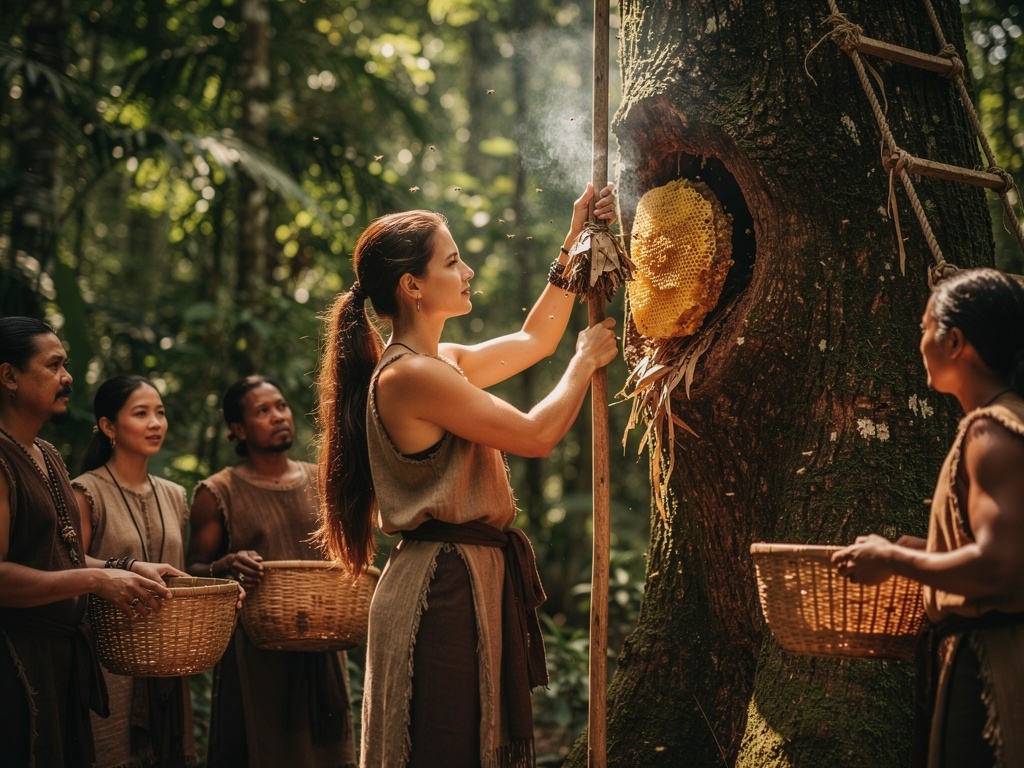
These producers are the backbone of India's honey story, and they are exactly who the National Beekeeping & Honey Mission aims to support — through training, modern equipment, market linkages and fairer prices. When you choose honey from a cooperative, a tribal producer group, or a small beekeeper, you are directly supporting rural livelihoods.
Fair pricing & transparency
Fairness in honey has several layers:
- Fair to collectors: wild honey collectors should be paid for risk and skill, not squeezed by middlemen.
- Fair to beekeepers: small beekeepers need stable, fair prices for honey and pollination services.
- Fair to buyers: consumers deserve honest labels — origin, processing, testing — so they can pay for what they actually get.
- Fair to bees: harvesting should leave enough honey for the colony, and avoid destructive practices that kill whole colonies.
Transparency is the bridge: a producer who shares origin, harvest details and lab tests is showing you the whole chain. Our Buying Guide tells you exactly what to ask.
Bee welfare & sustainable practice
Good beekeeping is not just about honey yield. Sustainable practice includes:
- Leaving honey for the colony: responsible harvesters never take everything — bees need stored honey to survive the dearth season.
- Minimising smoke and disturbance: traditional smoke calms bees; excessive smoke and rough handling harm colonies.
- Disease management: regular checks and treatment protect colonies — and prevent disease spreading to wild bees.
- Habitat & forage: planting bee-friendly flora and protecting wild habitat supports both managed and wild bees.
- Responsible migration: feeding, rest and disease checks during migratory beekeeping reduce stress.
What "raw" really means — and doesn't
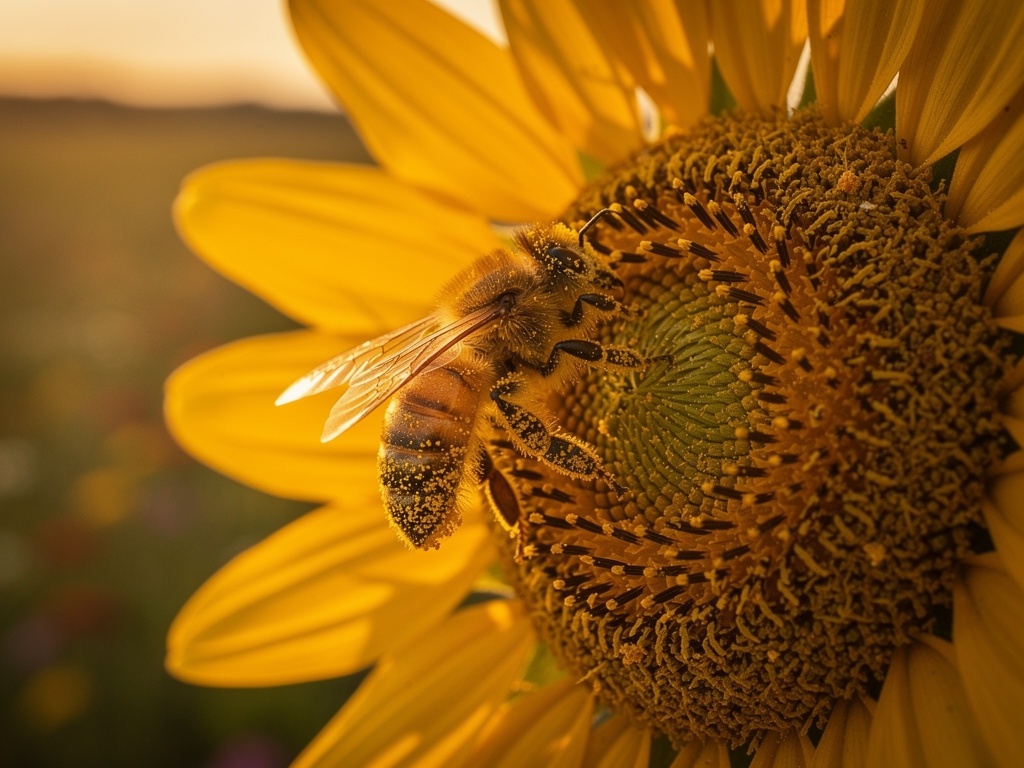
"Raw" honey is extracted and lightly filtered without heating above hive temperature, retaining enzymes, pollen and antioxidants. But raw does not mean pure — raw honey can still be adulterated, and "raw" is a processing claim, not an authenticity claim. Always verify purity separately. The honest distinction between raw, processed and blended is on the Quality & Purity page.
How your choices help
- Buy traceable honey: single-origin honey with named producers supports the whole chain.
- Prefer tested honey: producers who share lab reports are investing in honesty.
- Pay a fair price: genuinely wild or GI honey is premium for a reason — risk, skill and provenance.
- Support cooperatives & tribal groups: your purchase reaches collectors directly.
- Spread honest knowledge: share this guide — informed buyers protect the market from adulteration.
Keep exploring
- Buying Guide — turn ethics into buying decisions
- GI & Regional Specialties — honey with protected provenance
- Quality & Purity — verify what you buy
- Production & the Sweet Revolution — the policy behind livelihoods