Honey in ritual & ceremony
Honey has a deep ceremonial life in India. The Madhu-parka — an offering of honey and curd — is a traditional gesture of hospitality and honour, mentioned in ancient texts and still practised at weddings and welcomes. Honey is also offered in temples, used in abhishekam (ritual bathing of deities), and features in festivals and auspicious ceremonies across regions.
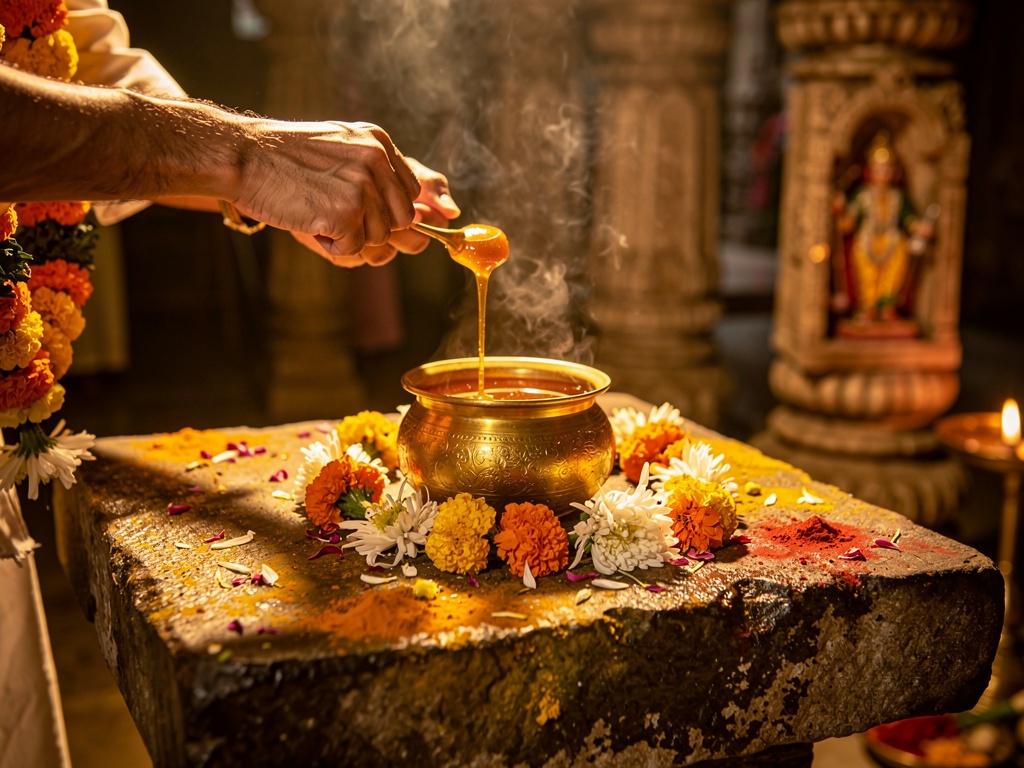
Because honey is used in ritual, its quality matters in a cultural sense too — pure, unadulterated honey is preferred for offerings, which is one more reason the purity question resonates so widely in India.
Honey in festive sweets
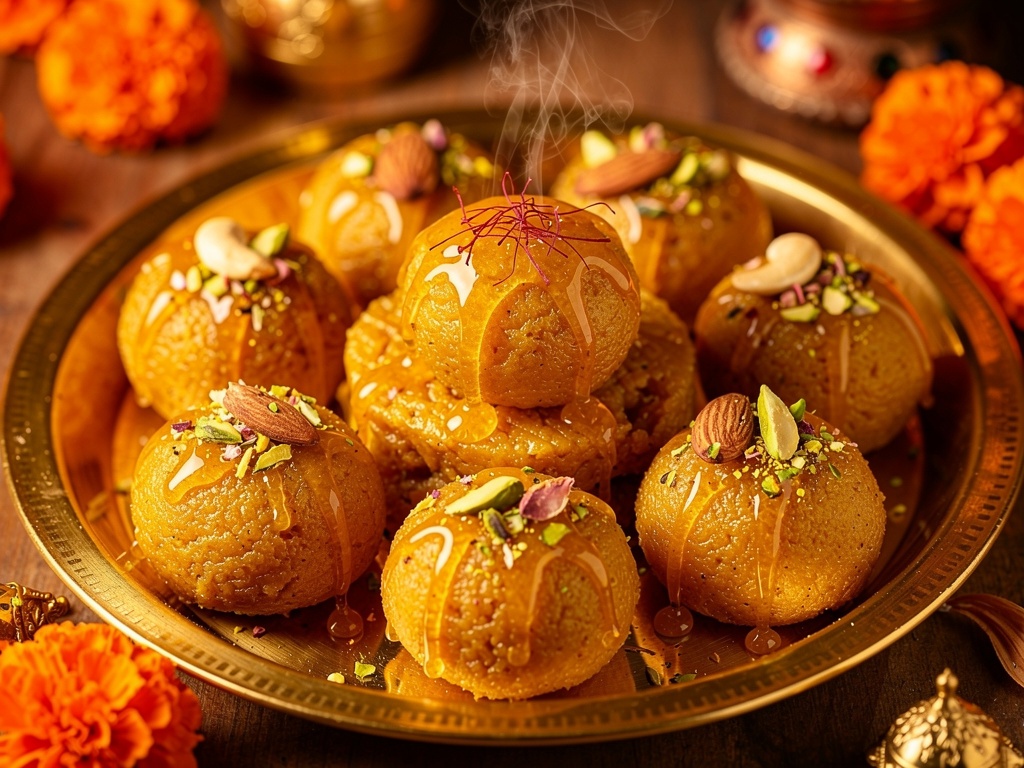
Indian festive cooking uses honey as a natural sweetener and flavour. It appears in sweets, in glazes for halwa and ladoo-style preparations, and in drinks. Honey's floral notes pair beautifully with the ghee, cardamom, saffron and nuts of traditional Indian sweets.
Pairings for the Indian kitchen
- Honey + curd: the classic pairing — drizzle over fresh curd with fruit and nuts for breakfast or dessert.
- Honey + warm drinks: honey in warm milk, tea or lemon water. Add honey after the drink cools slightly to preserve its character.
- Honey + roti/chapati: a simple, beloved combination, especially with ghee.
- Honey + fruit: over mango, papaya, banana or apple.
- Honey + nuts & seeds: drizzled over roasted nuts, or in granola and muesli.
- Honey + savoury glazes: for roasted vegetables, paneer tikka-style dishes and grilled meats.
- Honey + chaat-style snacks: a touch of honey balances spice in many street-style preparations.
Cooking with honey: do's & don'ts
-
Add honey late
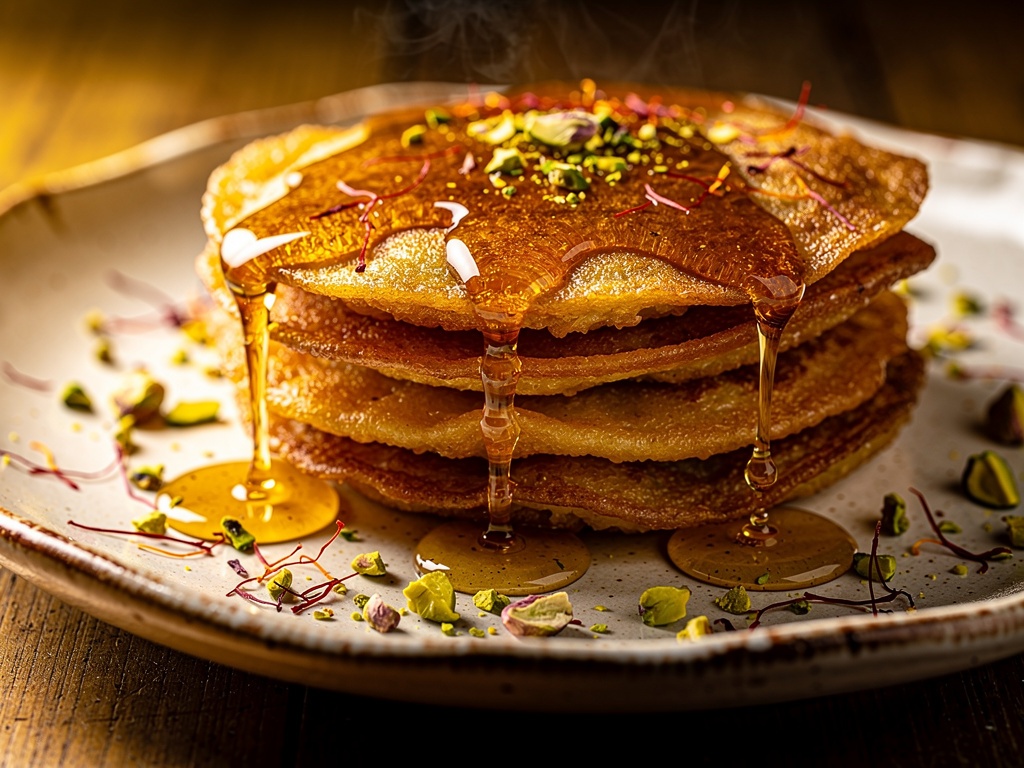
Add honey near the end of cooking, or to dishes that are warm rather than boiling. Prolonged high heat degrades honey's flavour and beneficial compounds and raises HMF.
-
Adjust for sweetness
Honey is sweeter than sugar, so use less — roughly ¾ cup of honey for every 1 cup of sugar, and reduce the liquid in the recipe slightly.
-
Watch the temperature
For warm drinks, let them cool to a comfortable drinking temperature before stirring in honey.
-
Pair by character
Use light, delicate honeys (litchi, acacia) where you want subtle sweetness, and bold honeys (mustard, forest) where you want flavour to come through.
Storing honey properly
- Keep it sealed: honey absorbs moisture, which can cause fermentation. Always close the lid tightly.
- Store at room temperature: cool, dry, away from direct sunlight. No need to refrigerate.
- Use clean, dry utensils: moisture or food in the jar can spoil honey.
- Re-liquefy gently: if honey crystallizes, place the jar in warm (not boiling) water and stir. Avoid the microwave and high heat.
- Know the shelf life: properly stored honey keeps for a very long time — the "best before" is about quality, not safety.
Keep exploring
- Types & Varieties — which honey suits which dish
- Health & Ayurveda — honey in wellness traditions
- Quality & Purity — make sure your cooking honey is real
- GI & Regional Specialties — honey with a place to call home