Monofloral vs multiflora
Monofloral honey comes predominantly from one flower source (for example, litchi or mustard). It has a distinct, repeatable flavour, colour and crystallization pattern — which is why it's prized by cooks and honey lovers. Multiflora honey (often labelled "forest" or "wildflower") blends many sources and varies from season to season and region to region.
Important honesty note: "monofloral" is a claim that should be backed by testing (pollen analysis and/or chemical markers). Many Indian "monofloral" honeys are actually blends. On this page we describe what each variety should be like — and our Quality & Purity guide explains how to check the claim.
Explore the varieties
Use the filters to browse by type. Each card links to its sensory profile below.
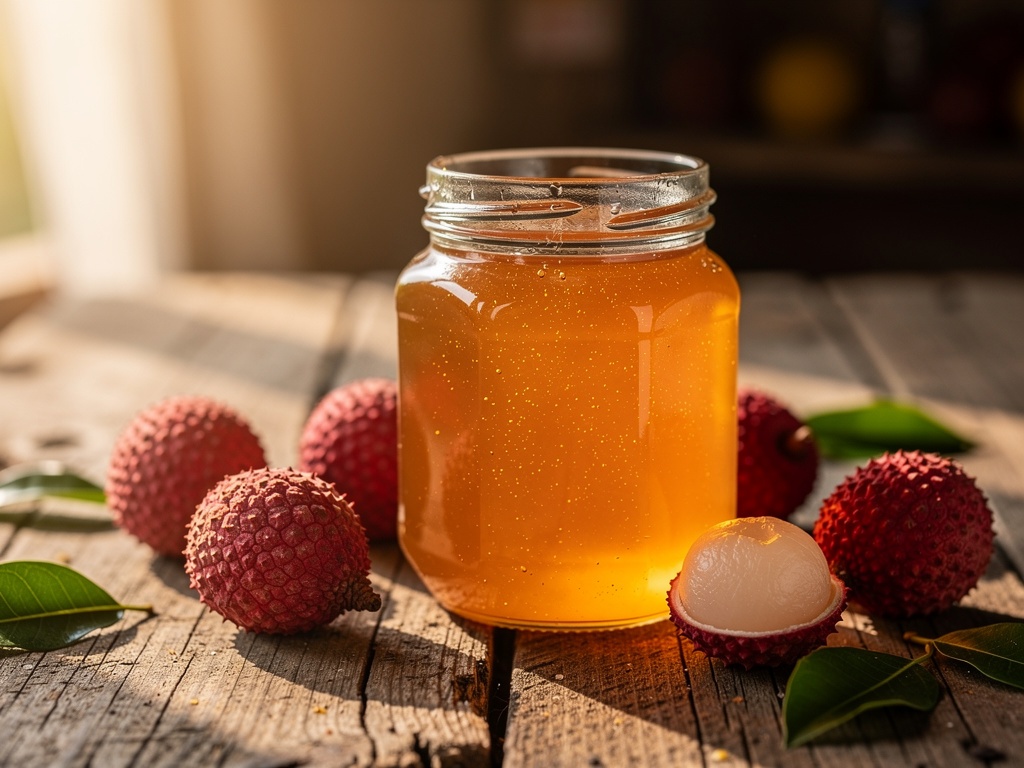
Litchi Honey
Pale gold, delicately floral and fruity. Produced around litchi orchards in Bihar, West Bengal and Uttar Pradesh.
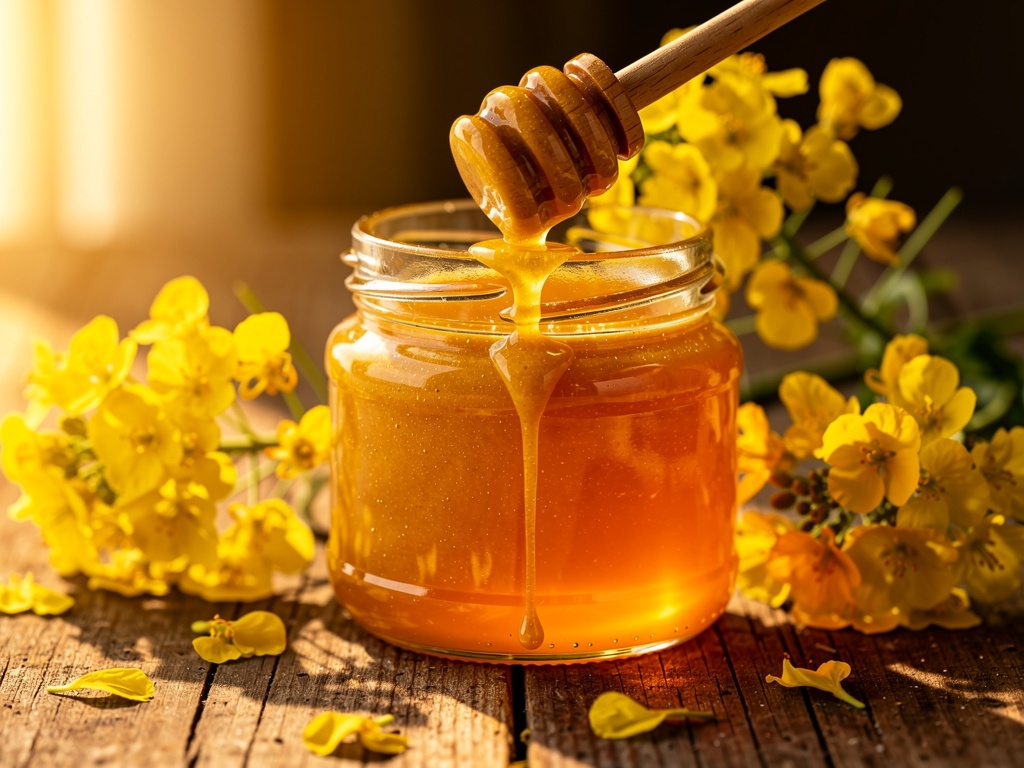
Mustard Honey
Light amber, slightly pungent and spicy, quick to crystallize. A winter staple from the mustard belts of Punjab, Haryana and Rajasthan.
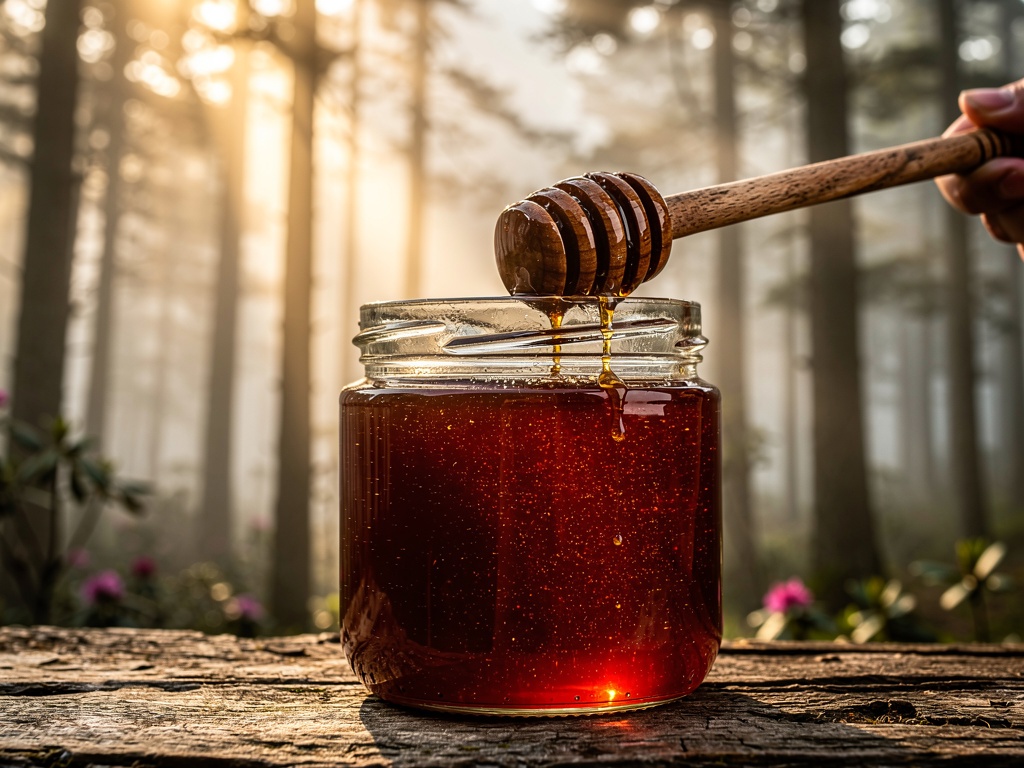
Himalayan Multiflora / Wild Honey
Deep amber to dark, rich and complex with herbal notes. Collected from wild rock bees across the Himalayan foothills.
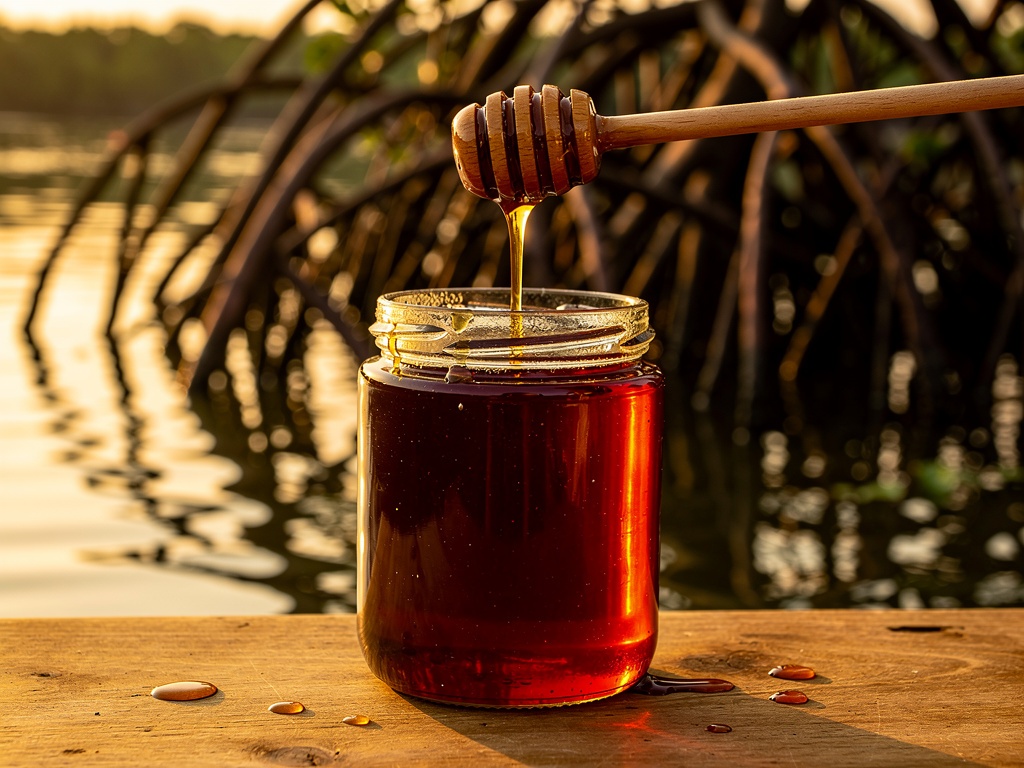
Sundarban Mouban (Mangrove Honey)
Dark, malty and salty-sweet, from wild rock bees in the Sundarbans mangroves. A GI-protected specialty.
Acacia / Kikar Honey
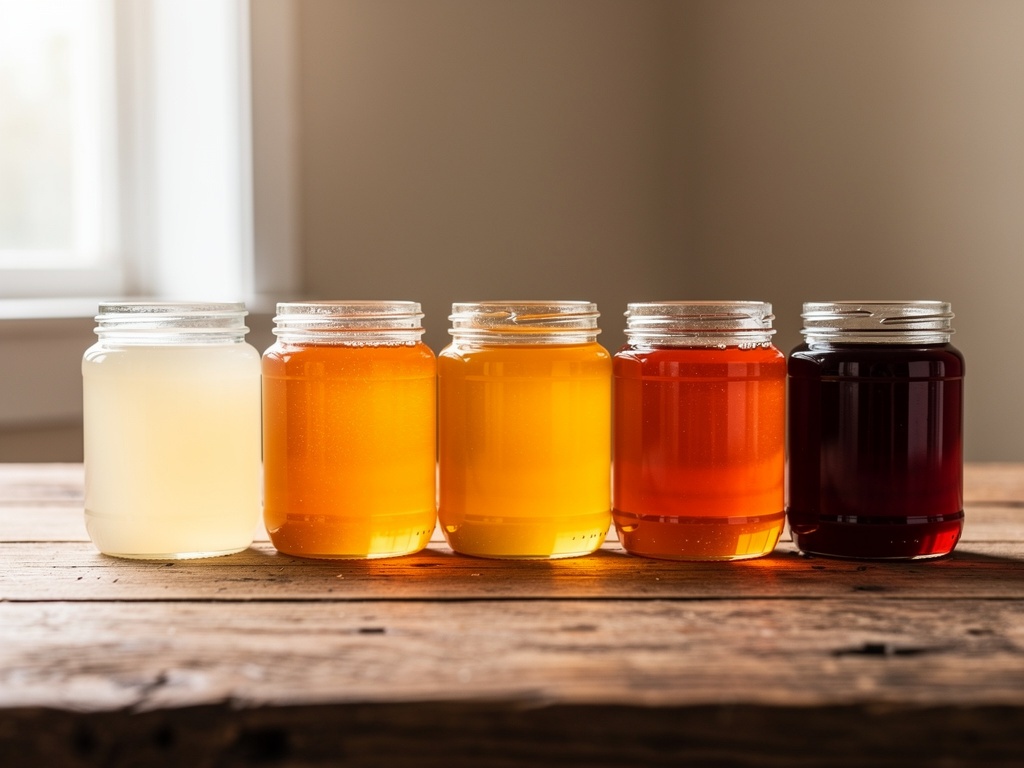
Very light, almost water-white, mild and slow to crystallize. From acacia (kikar) blossom across the plains.
Ajwain, Tulsi & Neem Honeys
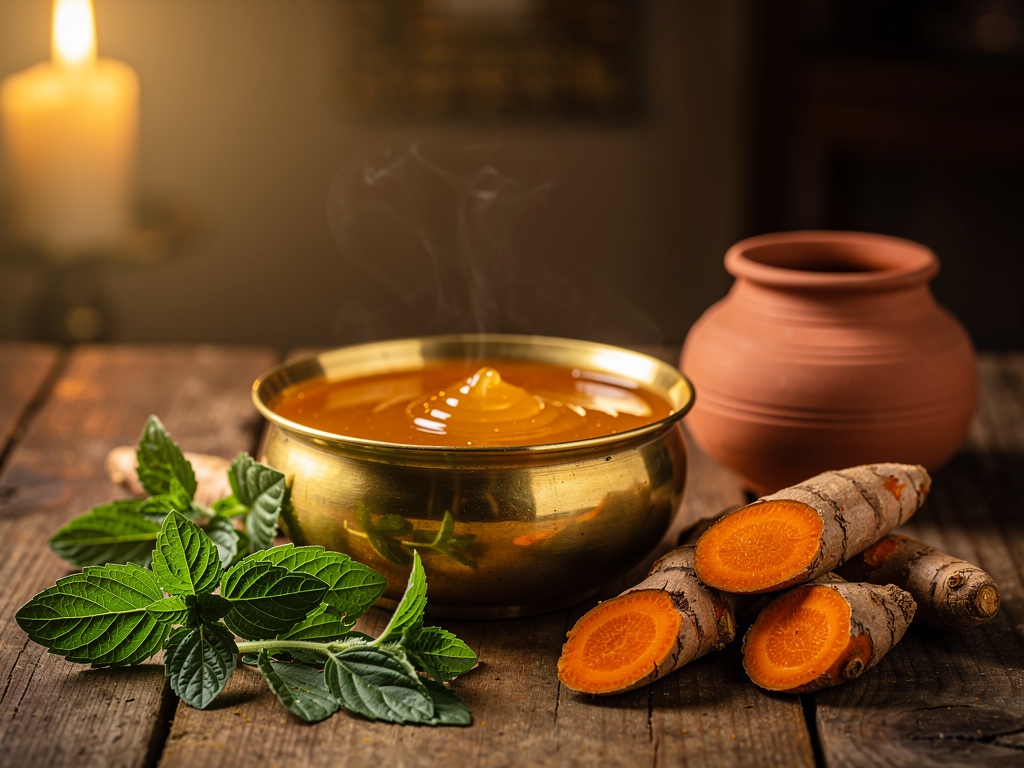
Herbal, aromatic honeys from medicinal plants — ajwain (carom), tulsi (holy basil) and neem — each with a distinctive, sometimes strong character.
Sidr / Beri Honey
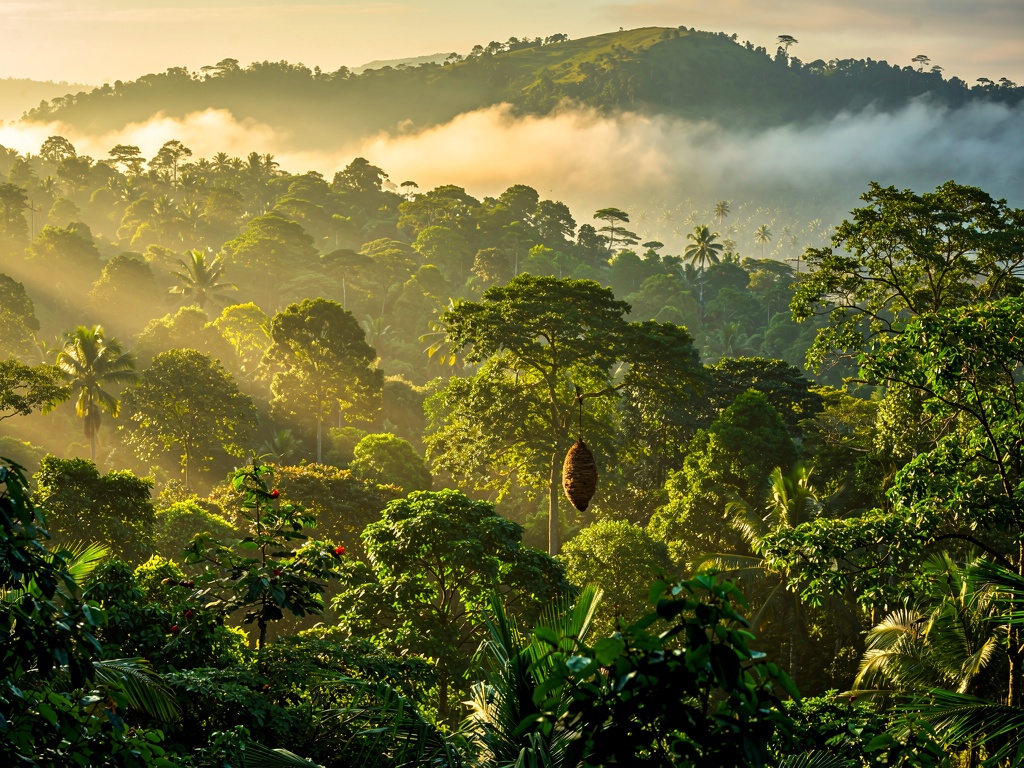
From the jujube (ber) tree, a rich, caramel-like honey with a cult following. Grown in arid and semi-arid belts.
Western Ghats Forest Honey
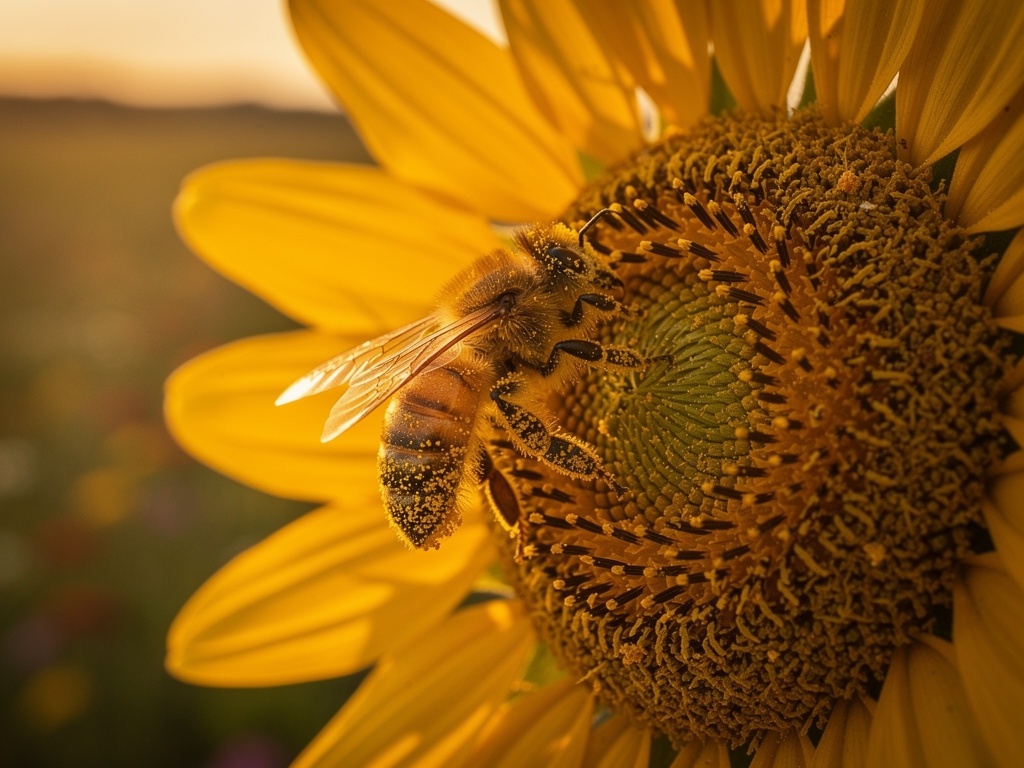
Rich, dark and intensely floral, from the tropical forests of the Western Ghats — often including rare stingless "pot honey".
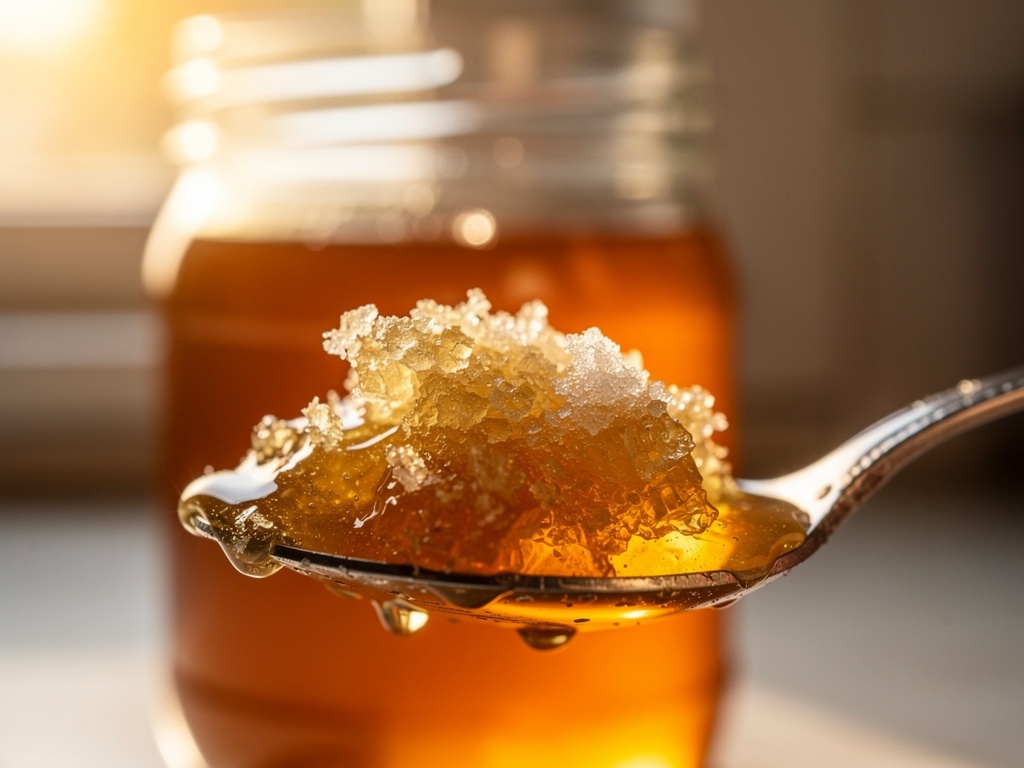
Eucalyptus Honey
Amber with a medicinal, menthol-like note. From eucalyptus plantations, popular in the south and west.
Litchi honey
Produced when litchi trees bloom in April–May, chiefly in the Bihar belt (Muzaffarpur and around), West Bengal and Uttar Pradesh. It is pale gold, delicately floral with a fruity, rose-like note, and it crystallizes slowly — staying liquid and clear for a long time. It's a favourite for drizzling and for pairing with fresh fruit.
Mustard honey
From the vast mustard fields of Punjab, Haryana, Rajasthan and Uttar Pradesh that flower in winter. Light amber with a slightly pungent, spicy warmth, it crystallizes quickly into a fine, creamy texture — which is natural, not a defect. It's excellent stirred into warm drinks and in savoury glazes.
Himalayan multiflora & wild honey
Collected from wild rock bees across the Himalayan foothills, this honey is deep amber to dark, rich and complex, with herbal and sometimes slightly smoky notes. Because it is wild, its character varies with altitude and season. In spring, some Himalayan honeys can carry traces of rhododendron nectar — see the Health & Ayurveda page for the rare "mad honey" risk.
Sundarban Mouban (mangrove honey)
From wild rock bees foraging on the Sundarbans' mangroves, this honey is dark, malty and faintly salty-sweet — a taste of the tidal forest itself. It's a GI-protected regional specialty, produced by the region's Mouli collectors under genuinely hazardous conditions. More in GI & Regional Specialties.
Acacia / kikar honey
From the acacia (kikar) blossom, this honey is very light — almost water-white — with a mild, delicate flavour and very slow crystallization. Its neutrality makes it a popular all-purpose honey.
Ajwain, tulsi & neem honeys
These herbal honeys come from India's medicinal plants. Ajwain honey is light with a distinctly aromatic, almost thyme-like note. Tulsi honey carries a gentle herbal warmth. Neem honey is darker and more bitter. All are prized in traditional wellness contexts — see Health & Ayurveda for a balanced view of the evidence.
Sidr / beri honey
From the jujube (ber) tree, sidr honey is a rich, caramel-like honey with a devoted following. It is produced in arid and semi-arid belts where the ber tree thrives, and is often sold as a premium single-origin honey.
Western Ghats forest honey
The tropical forests of the Western Ghats produce rich, dark, intensely floral honey from a huge diversity of flowering trees. The region is also home to stingless bee "pot honey" — tangy, sour-sweet and rare. Both are among India's most distinctive forest products.
Eucalyptus honey
From eucalyptus plantations, this amber honey has a bold, medicinal, menthol-like character. It's popular in the south and west and is often used for its strong flavour in cooking and traditional remedies.
Keep exploring
- Quality & Purity — how to verify what's in the jar
- GI & Regional Specialties — honey with a protected geography
- Buying Guide — choosing between varieties at the shop
- Culinary & Culture — how to use each honey in the kitchen