Madhu in Ayurveda
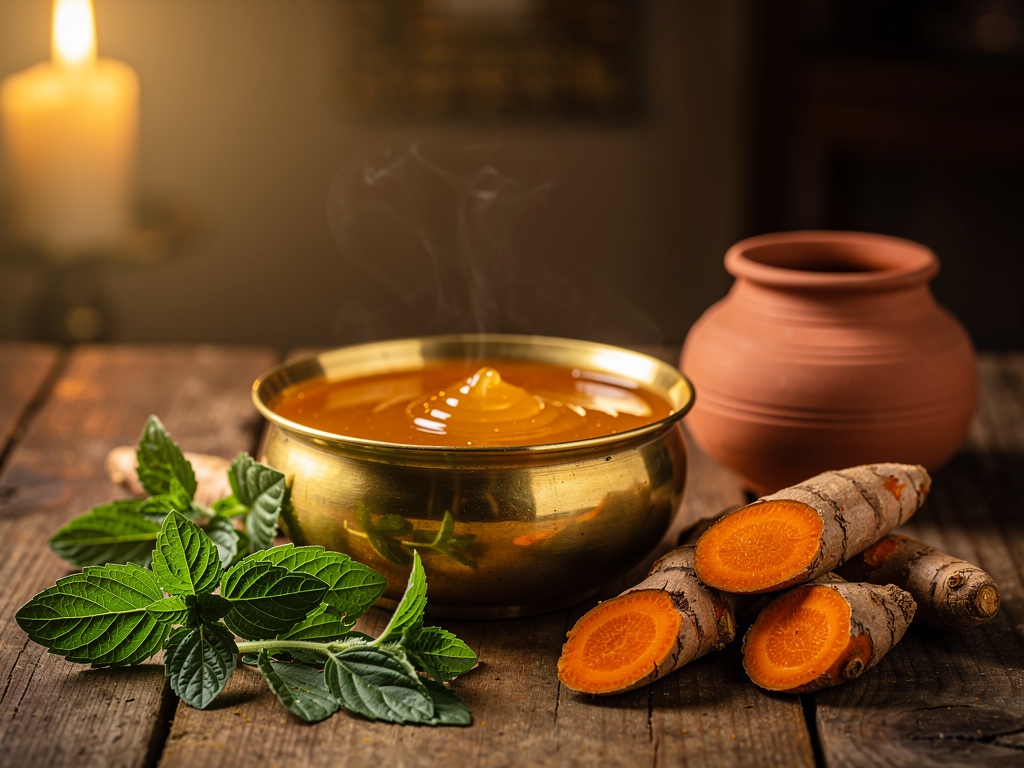
In Ayurveda, honey — Madhu — is described in the classical texts (Charaka and Sushruta Samhitas) as a sweet, balancing substance with specific qualities. It is traditionally used as:
- A carrier (anupana) for herbal medicines, helping them reach tissues.
- A wound and throat soother, applied topically or taken for coughs.
- A balancing food, said to pacify certain doshas when used appropriately.
- A preservative for herbal preparations.
Ayurveda also warns against heating honey — classical texts advise against cooking honey, a caution that aligns with modern understanding that heat degrades honey's beneficial compounds and raises HMF. This is one of the rare cases where tradition and modern food science agree.
What the science says
Modern research supports some traditional uses and is more cautious about others. What is reasonably well supported:
- Antioxidant activity: honey contains phenolic compounds and flavonoids with antioxidant properties. Darker honeys (like many wild forest honeys) tend to be richer in these.
- Antimicrobial potential: honey's low moisture, acidity and hydrogen peroxide content give it natural antimicrobial activity. Medical-grade honey is used in wound care in some settings.
- Cough relief: some studies suggest honey can help soothe coughs, and it is sometimes recommended (in children over one year) as a home remedy.
- Nutrient content: honey provides simple sugars, small amounts of minerals and trace compounds — but it is still mostly sugar and should be treated as such.
What is not supported: honey is not a cure for diabetes, cancer or serious infections, and it does not "boost immunity" in the way marketing suggests. It is a wholesome food with some genuine properties — not a miracle drug.

Nutrition in a teaspoon
Honey is roughly 80% sugars (mostly fructose and glucose) and about 17–18% water, with trace vitamins, minerals, amino acids and antioxidants. It is slightly sweeter than table sugar, so a little goes further — but it is still a concentrated sweetener. For people managing blood sugar, honey must be counted like any sugar.
Risks & who should avoid it
- Infants under 1 year: avoid entirely (see above).
- Diabetics: honey affects blood sugar; treat it as sugar and consult your doctor.
- Allergy sufferers: honey can contain pollen and bee proteins; rare allergic reactions are possible.
- Rare "mad honey" risk: honey from rhododendron nectar can contain grayanotoxin, which causes dizziness, low blood pressure and nausea. In India this is associated with certain Himalayan spring harvests where rhododendrons bloom. It is rare and regional, but worth knowing if you buy wild Himalayan honey in spring.
These risks are why honest sourcing matters — see Buying Guide and Types & Varieties.
Everyday use, the sensible way
Honey shines as a food. Practical, evidence-friendly uses:
- Sweetener: in tea, warm milk, or over porridge and curd — a natural alternative to refined sugar (still sugar, though).
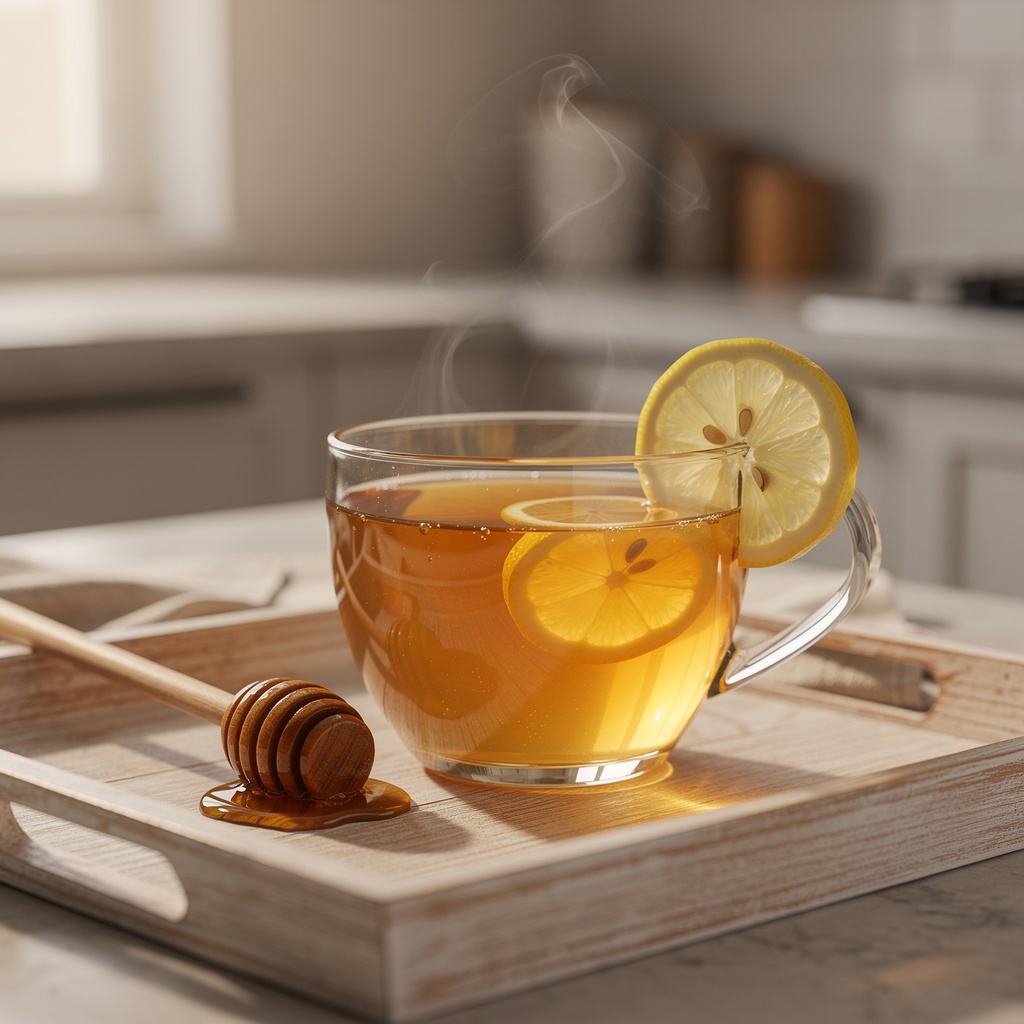
- In warm drinks: honey and lemon in warm (not boiling) water is a classic soothing drink. Add honey after the water cools slightly to preserve its compounds.
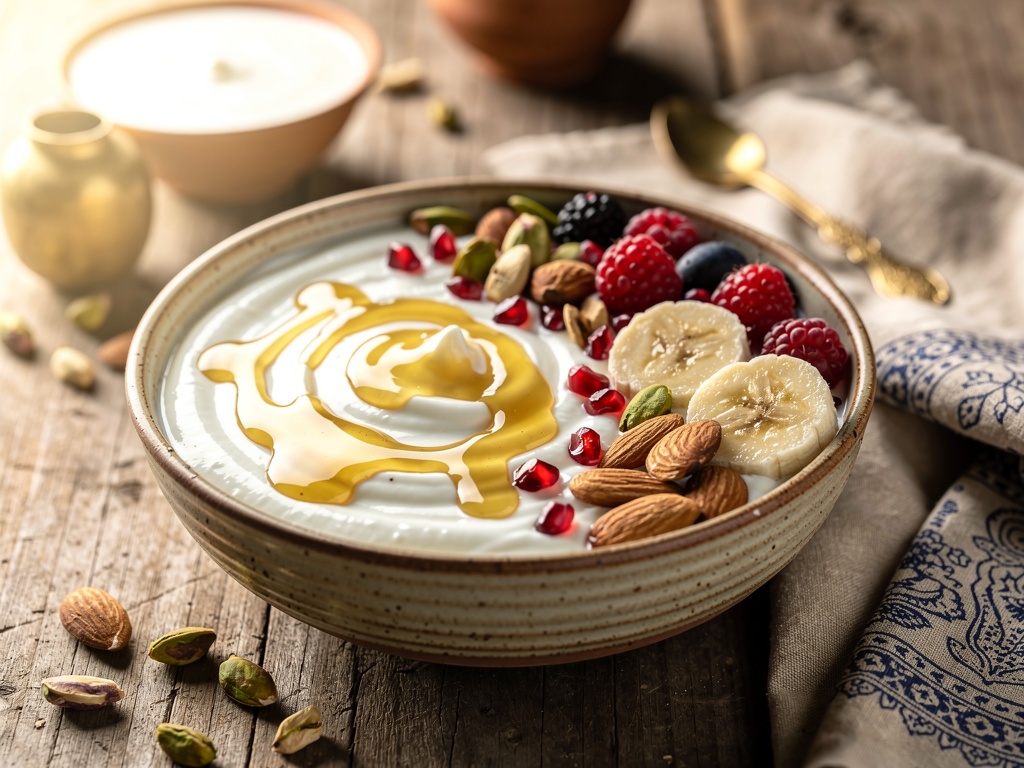
- With curd and fruit: a classic Indian pairing — honey over fresh curd with fruit and nuts.
- As a glaze: for roasted vegetables, meats and festive sweets.
The balanced bottom line
Honey is a delicious, traditional, genuinely interesting food with real antioxidant and antimicrobial properties — and it is still mostly sugar. Enjoy it, use it in the ways tradition and science both support, respect the infant restriction, and don't fall for cure-all marketing. For how to choose honey you can trust, see Quality & Purity and the Buying Guide.
Keep exploring
- Quality & Purity — what's really in your honey
- Culinary & Culture — honey in Indian kitchens and rituals
- Types & Varieties — which honey for which use
- FAQ — quick health questions answered