The cast, at a glance
Five groups matter for Indian honey. Four are native (Apis cerana indica, Apis dorsata, Apis florea, and the stingless bees), and one (Apis mellifera) was introduced in the 1960s and now dominates commercial production.
| Species | Common name | Nesting | Yield | Temperament | Honey type |
|---|---|---|---|---|---|
| Apis cerana indica | Indian hive bee / Asiatic honey bee | Cavities, log & movable-frame hives | Moderate (5–15 kg/colony/yr) | Gentle-ish, defensive when disturbed | Multiflora, mild, slow to crystallize |
| Apis dorsata | Giant / rock bee | Open, single large comb high on cliffs & trees | High per comb (up to 20+ kg) | Highly defensive; not domesticated | Strong, floral, often dark; wild |
| Apis florea | Dwarf / little bee | Single small comb on branches | Low (0.3–1 kg) | Non-aggressive, rarely stings | Delicate, light, aromatic |
| Apis mellifera | European / Italian honey bee | Movable-frame hives | High (20–40+ kg/colony/yr) | Relatively gentle; manageable | Variable; commercial bulk honey |
| Stingless bees | Dammar / pot bees (e.g. Tetragonula) | Small pot-like nests in cavities | Very low (0.1–0.5 kg) | Harmless (no sting) | Tangy, sour-sweet "pot honey" |
Yields are indicative ranges; actual figures vary widely with region, management and season. Sources: National Bee Board guidance and apiculture literature.
Apis cerana indica — the native hive bee
The Indian hive bee is the traditional bee of Indian beekeeping. Smaller and darker than the European honey bee, it builds multiple parallel combs inside cavities — hollow logs, wall voids, or the movable-frame hives that modern beekeepers provide. It is well adapted to Indian climates, including hot summers, and is the species most associated with traditional and small-scale beekeeping.
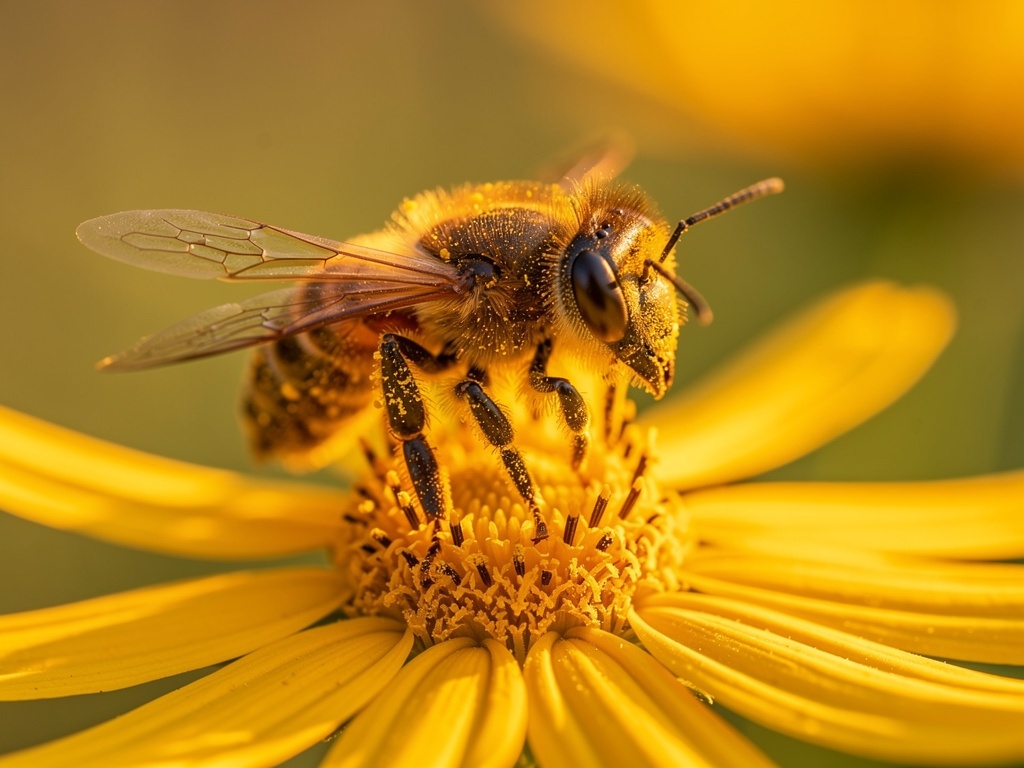
Its honey is typically multifloral, mild and slow to granulate, and it is prized in regions where it is still kept in traditional hives. Because cerana colonies are smaller than mellifera colonies, yields are lower — but many beekeepers value its hardiness and its role in pollinating native flora.
Apis dorsata — the giant rock bee
The rock bee is India's largest honey bee and one of the world's most spectacular. It builds a single, exposed comb — sometimes over a metre across — hanging from cliff faces, tall trees and, famously, the mangrove branches of the Sundarbans. It cannot be kept in a box; it is a wild bee, harvested by traditional collectors.
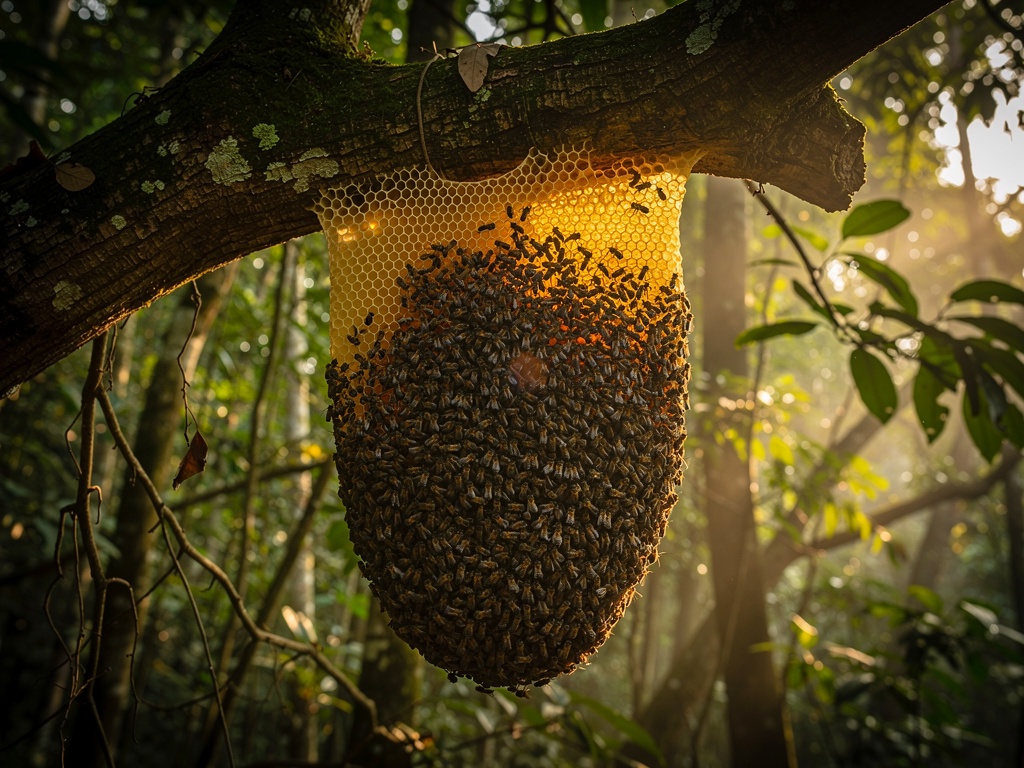
Rock bee honey is strong, floral and often dark, with a pronounced character that honey lovers either adore or find intense. It is the source of much of India's wild and forest honey, including Sundarban Mouban and many Himalayan wild honeys. Harvesting it is genuinely dangerous work — see Sustainability, Ethics & Livelihoods.
Apis florea — the dwarf bee
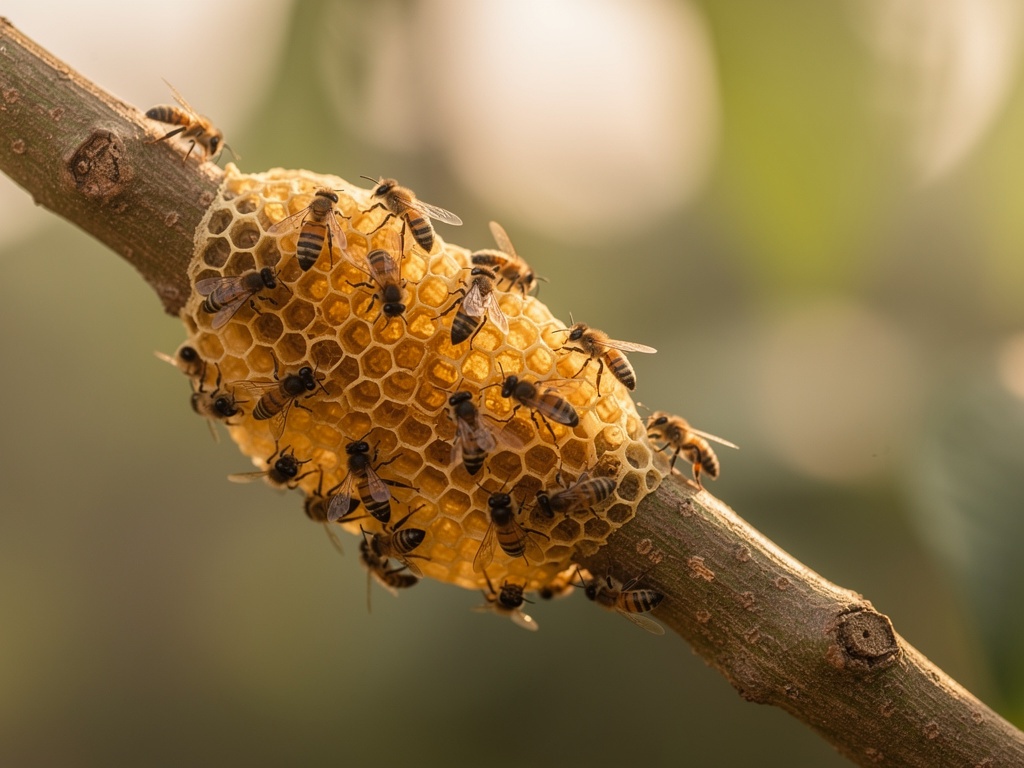
The little bee builds a single comb the size of a hand, wrapped around a thin branch in gardens, hedges and scrub. It is widespread across the plains and is remarkably gentle — it rarely stings. Its honey is produced in tiny quantities, but it is delicate, light and aromatic, and it is an important pollinator of crops and wild plants.
Apis mellifera — the introduced workhorse
Introduced in the 1960s, the European honey bee became the engine of India's commercial honey industry. It is more productive and easier to manage at scale than the native hive bee, which is why most branded "pure honey" in India comes from mellifera colonies, often managed by migratory beekeepers who move hives to follow flowering crops.
Stingless bees — the pot honey makers
India's stingless bees (chiefly Tetragonula and related genera) build small, pot-like nests in cavities and produce a distinctive "pot honey" that is tangy, sour-sweet and intensely aromatic. Yields are tiny — often measured in hundreds of grams — which makes it a rare and premium product, especially in the Western Ghats and parts of Kerala and Tamil Nadu. It is also a culturally significant traditional medicine in some communities.
Which bee made my honey?
Labels rarely name the bee, but you can often infer it:
- "Wild" or "forest" honey — likely dorsata (or florea) collected from the wild.
- Himalayan / Sundarban honey — almost always wild rock bee honey.
- Single-crop honey (mustard, litchi, sunflower) — typically mellifera or cerana from managed hives.
- "Pot honey" — stingless bee honey, a distinct product.
For how to judge what's actually in the jar — regardless of the bee — head to Quality, Purity & Authenticity.
Keep exploring
- Types & Varieties — what each species' honey tastes like
- Production & the Sweet Revolution — how bees are managed at scale
- History & Heritage — the human story of these bees
- Ethics & Livelihoods — wild harvest and bee welfare